
November 22, 2026: Commemorate and Remember

Sunday, November 22, 2026 @ 4 PM
Second Church in West Newton, Massachusetts
Commemorate and Remember
A radiant afternoon of powerful recollection, evocative reflection, and contemporary choral expression
Maurice Duruflé: Requiem, Op 9
Tarik O'Regan: Triptych
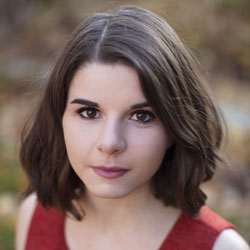
Charlotte Koonce: New work
|
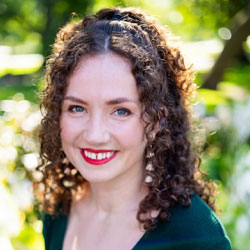
Maria Whitcomb, soprano |
|
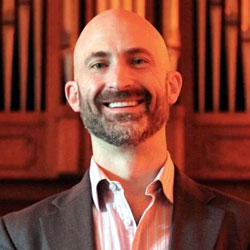
A Commonwealth Composer concert
More about the Program
Whether you're a lifelong lover of classical music or attending your first choral concert, Commemorate and Remember offers an indelible musical journey.
 Maurice Duruflé’s Requiem is music of extraordinary beauty and consolation. Rooted in ancient Gregorian chant and enriched by luminous French harmonies, it moves from quiet prayer through moments of intensity to the radiant serenity of In Paradisum. Rather than dwelling on fear and judgment, Duruflé invites us into a deeply human world of memory, loss, peace, and eternal light.
[Read more on the Requiem.]
 Tarik O’Regan’s Triptych offers a vibrant contemporary counterpart. Drawing from varied faith traditions using texts from William Penn, Muhammad Rajab Al-Bayoumi, William Blake, and Psalm 133, O'Regan explores death, connection, nature, and community through music that ranges from rhythmic energy to contemplative stillness.
[Read more on Tryptich.]
The concert also features the world premiere of a new work by emerging composer and chorus member Charlotte Koonce, giving audiences the rare opportunity to experience a piece being heard publicly for the very first time.
Commemorate and Remember yields a program that is both moving and uplifting—a journey through loss and remembrance toward connection, transcendence, and peace.
More about the program's works
 Maurice Duruflé’s Requiem, Op. 9, completed in 1947, is both a prayer for the departed and an act of commemoration in which remembrance is transformed into consolation, hope, and peace. Deeply rooted in Gregorian chant, the work surrounds ancient melodies with the rich harmonies and subtle colors of the twentieth-century French tradition. Unlike more dramatic Requiem settings, Duruflé largely turns away from terror and judgment, inviting listeners instead to contemplate memory, loss, and the promise of eternal rest.
The opening Introit emerges quietly, its flowing chant establishing an atmosphere of timeless prayer, while the Kyrie gradually intensifies its plea for mercy. In the Domine Jesu Christe, darker harmonies accompany prayers for deliverance before the Sanctus rises to a radiant climax. The intimate Pie Jesu, traditionally sung by mezzo-soprano, offers a deeply personal prayer for rest.
 The Agnus Dei returns to calm supplication, and the Lux aeterna evokes perpetual light. The more urgent Libera me briefly confronts fear and judgment before In Paradisum resolves the work in luminous serenity. Here commemoration becomes transcendence: remembrance of those who have gone before us opens onto a vision of enduring light, rest, and peace.
Tarik O’Regan’s Triptych (2005) is a vibrant meditation on mortality, human connection, and transcendence, drawing together texts from different centuries, cultures, and spiritual traditions. Rather than telling a continuous story, its words offer a succession of perspectives on death and the meaning found within human existence.
 The opening movement incorporates William Penn’s seventeenth-century reflection that death removes the outward distinctions that make people strangers to one another. It is joined by “Death Speaks,” by Egyptian poet Muhammad Rajab Al-Bayoumi, in which Death addresses the fearful listener not as an enemy, but as a bringer of release and peaceful rest. Together, these texts invite us to reconsider death as transformation rather than simply loss.
The second movement turns to William Blake’s Auguries of Innocence, whose celebrated opening lines find the infinite and eternal within the smallest elements of the natural world. The final movement draws upon Psalm 133, with its vision of people dwelling together in unity, shifting the work’s focus from individual mortality toward community and reconciliation.
O’Regan binds these varied texts through music that moves between rhythmic vitality, luminous choral sonorities, and contemplative stillness. Across Triptych, reflections on death ultimately become reflections on life: on what connects us, what transcends our differences, and what may endure beyond them.
Second Church in Newton
60 Highland St
West Newton MA 02465
[map]
Open seating.
General Admission: $40;
Students and those under 30: $10; EBT cardholders: Free at door.
Special offer!
Get tickets for all 3 concerts
for $105 -- only $35
(not $40) per ticket!